
The Theme of the Garden and the Wilderness
Fahrenheit 451The contrast between the artificial, sterile city and the wild, natural countryside, where Montag finds healing.
increasing Bearing strength in each event
 decreasing
Bearing strength in each eventdecreasingThe City as a Desert
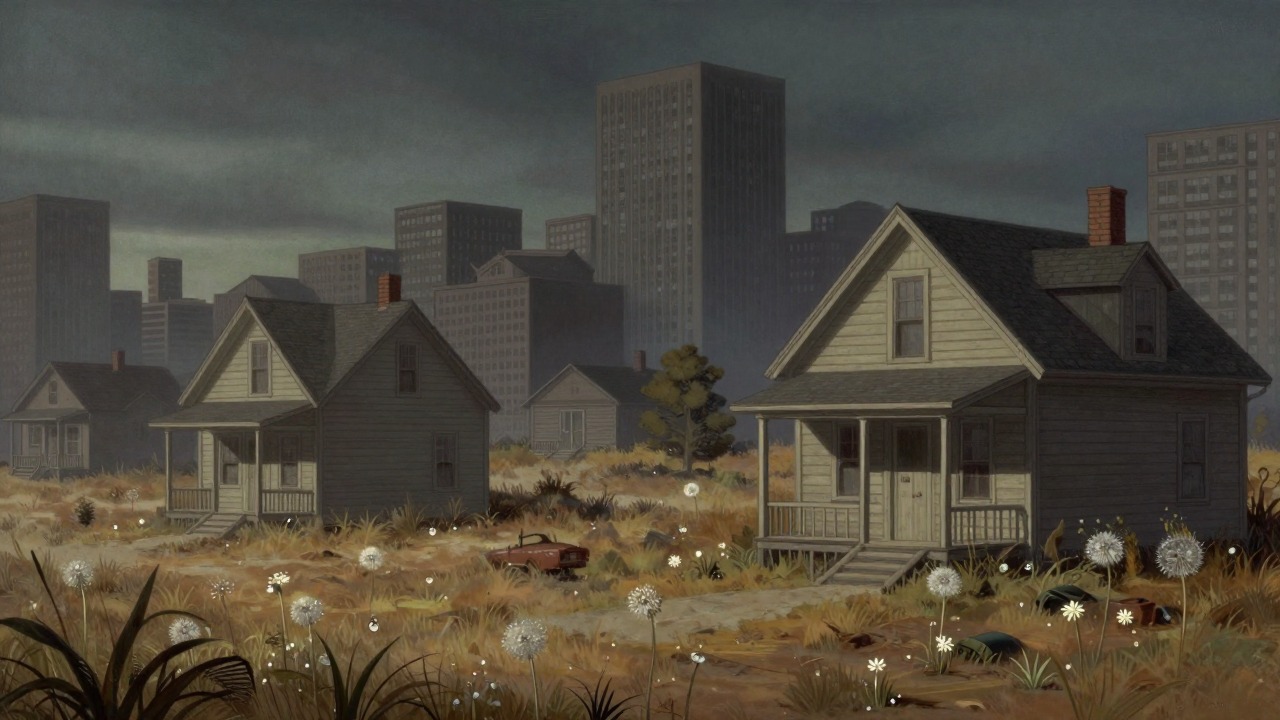
The Sterile Environment
The Fireproof Houses
The city is made of fireproof materials. There are no front porches, no gardens. The environment is designed to be safe and bland.
The Lack of Nature
Montag notices that there are no dandelions, no dew, no moon (he has not looked at the moon in years). Nature is absent.
The Imprisonment
The city is a cage. It is a world of concrete, glass, and plastic. The lack of nature contributes to the spiritual emptiness.
The River as a Boundary
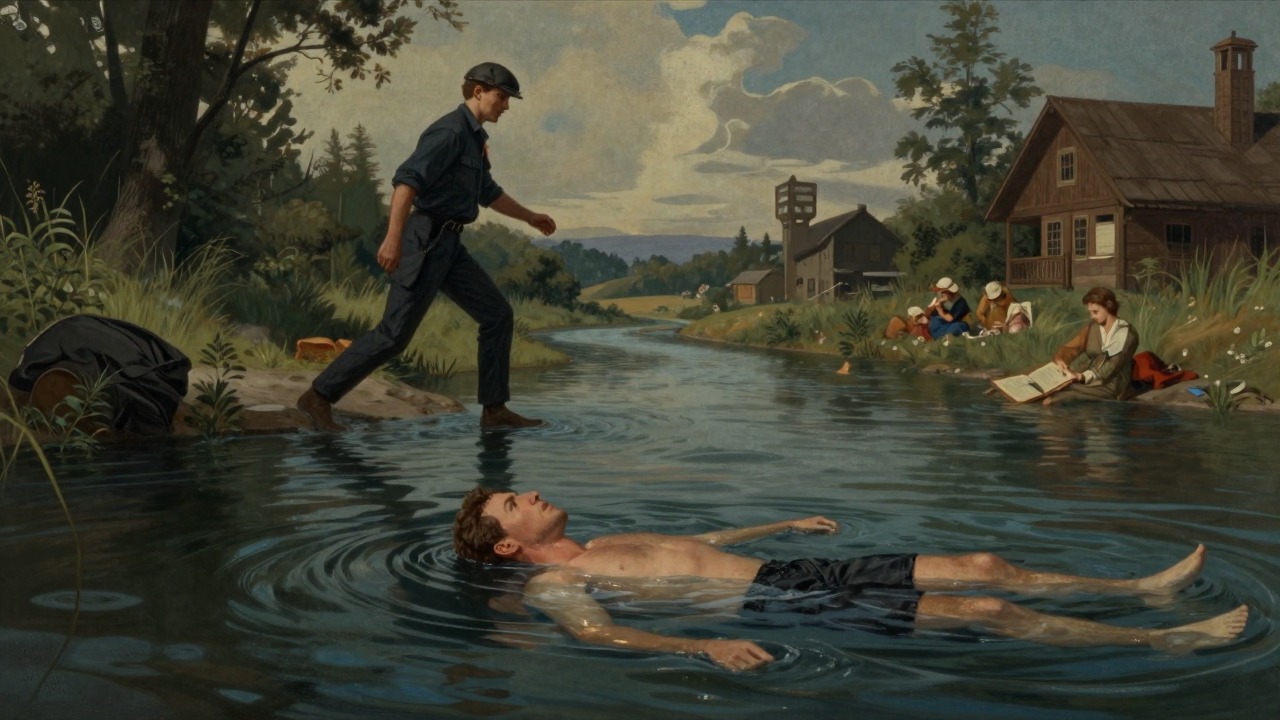
The Transition
The Crossing
Montag crosses the river, leaving the city behind. The river is a natural boundary between the artificial and the real.
The Immersion
He floats in the river, feeling the water. It is a baptism. He washes away his old life.
The Arrival
The river delivers him to the countryside. He steps onto land that is wild and alive. The transition is complete.
The Wilderness as a Teacher
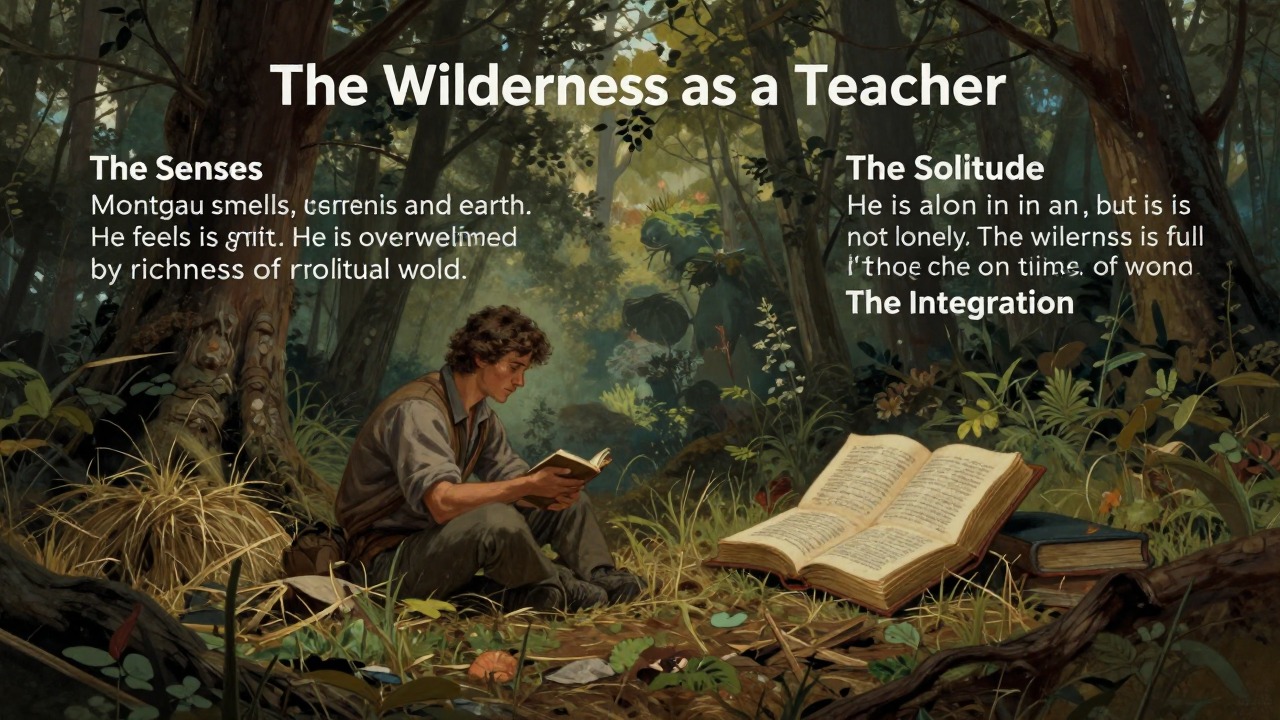
The Healing Power
The Senses
Montag smells hay, trees, and earth. He feels the grass. He is overwhelmed by the richness of the natural world.
The Solitude
He is alone in the forest, but he is not lonely. The wilderness is full of life. It teaches him patience and wonder.
The Integration
He joins the book people, who live in harmony with the wilderness. The garden and the wilderness are not separate; they are the new home for humanity.
Throughout the story
Montag's escape
The final scenes
